What is epidemic preparedness and why the world can’t ignore it is a vital question in global health today. Sudden disease outbreaks and large public health emergencies can occur without warning, and the ability to anticipate, respond, and recover often determines whether a situation is controlled or turns into a crisis. Recognized globally on 27 December as the International Day of Epidemic Preparedness, this observance highlights the importance of readiness at every level. At Kaigo home healthcare, we believe that awareness and preparedness form the foundation of strong healthcare systems and safer communities worldwide.
What Is Epidemic Preparedness?
Epidemic preparedness refers to the planning, resources, systems, and coordinated actions required to prevent, detect, and respond to infectious disease outbreaks before they escalate. It focuses on readiness rather than reaction.
Key components include:
- Early disease surveillance and monitoring
- Robust healthcare infrastructure
- Well-trained healthcare professionals
- Clear emergency response plans
- Public awareness and education
Preparedness is not a one-time effort. It is a continuous process that evolves as new health risks and diseases emerge.
Why Epidemic Preparedness Is Essential for Global Health
Protecting Lives and Communities
Preparedness saves lives. Early detection combined with rapid response can significantly limit the spread of infectious diseases. This is especially important for protecting vulnerable groups such as children, older adults, and people with chronic conditions.
Reducing Pressure on Healthcare Systems
When healthcare systems are unprepared, even small outbreaks can overwhelm hospitals and clinics. Epidemic preparedness ensures that healthcare providers are equipped to manage sudden increases in patients while maintaining quality care.
Core Components of a Strong Health Emergency Response
Early Detection and Surveillance
A strong surveillance system is the backbone of preparedness. Identifying unusual disease patterns early allows health authorities to act quickly and prevent widespread transmission.
Emergency Response Planning
Clear response strategies are essential during outbreaks. These include isolation protocols, treatment guidelines, efficient use of resources, and effective communication with the public.
A Skilled Healthcare Workforce
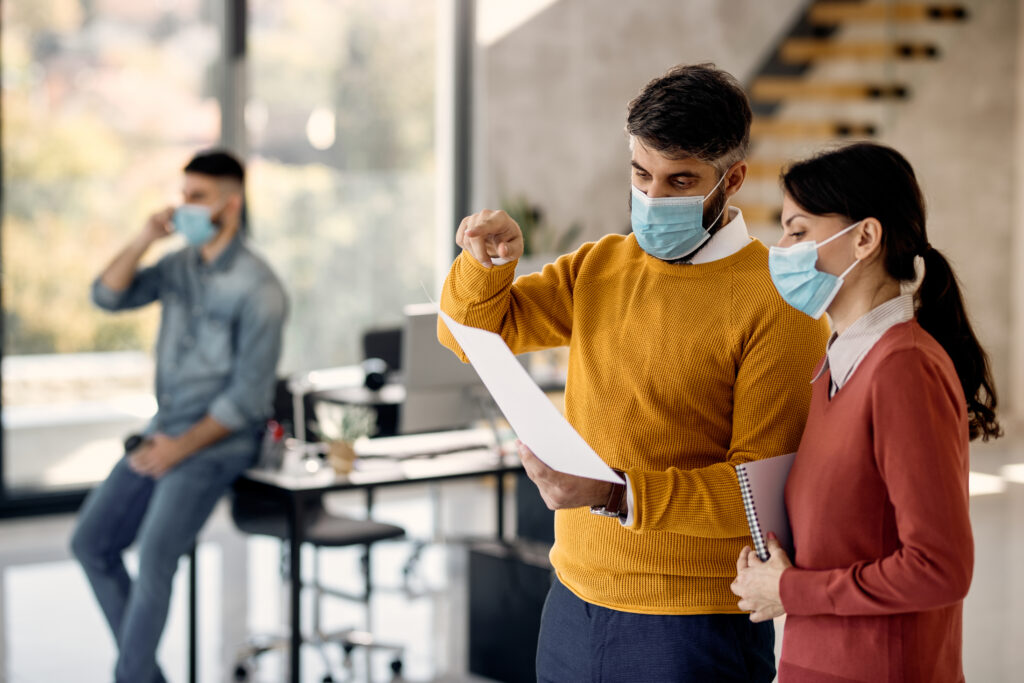
Ongoing training enables healthcare professionals to respond effectively to emerging diseases. From infection prevention to patient management, skilled nursing care, play a critical role during epidemics.
The Role of Communities in Epidemic Preparedness
Public Awareness and Education
Communities are a crucial part of preparedness efforts. Informed individuals are more likely to follow safety guidelines, recognize early symptoms, and seek timely medical attention.
Collective Responsibility
Preparedness is not the responsibility of governments alone. When individuals understand their role in prevention, they contribute to protecting families, communities, and healthcare system
The Risks of Ignoring Health Emergency Readiness
Growing Global Connectivity
International travel and urbanization allow diseases to spread faster than ever before. Without preparedness, localized outbreaks can quickly become global emergencies.
Economic and Social Consequences
Epidemics affect more than health. They disrupt economies, education, and livelihoods. Preparedness reduces long-term economic damage and helps societies recover more quickly.
Readiness for Future Threats
Future epidemics may involve unknown pathogens. Investing in preparedness today ensures that healthcare systems and communities are better equipped to face tomorrow’s challenges.
What Recent Pandemics Have Taught Us
Recent global health crises have highlighted the importance of resilience, innovation, and collaboration. Countries and healthcare organizations are now strengthening preparedness strategies to reduce the impact of future outbreaks.
In a world where health threats are becoming more frequent and complex, preparedness is no longer optional, t is essential. By strengthening healthcare systems, empowering communities, and focusing on prevention, organizations like Kaigo continue to support a future where societies are better prepared, protected, and resilient against epidemics.