High blood pressure is one of the most common chronic conditions, but its long-term effects remain unnoticed until very serious complications arise. Among the organs most vulnerable to sustained hypertension are the kidneys. Health-focused care providers like Kaigo stress the importance of early detection and continuous management, as kidney damage caused by high blood pressure can develop quietly over many years without clear warning signs. Let’s see how high blood pressure silently damages kidney.
The Role of Kidneys in Blood Pressure Regulation
Kidney is not just waste filtering organs, it helps to regulate blood pressure by keeping control over fluid balance and helps releasing hormones which influence blood vessel tension. Each kidney contains millions of tiny filtering units called nephrons, made up of delicate blood vessels. These structures are highly sensitive to changes in blood pressure.
High consistent of blood pressure forces blood flowing through vessels increases beyond the normal levels. Over time, this pressure damages the vessel walls, making them thicker and narrower. As a result, less blood reaches the nephrons, reducing the kidneys’ ability to function efficiently.
How Hypertension Leads to Progressive Kidney Damage
Persistent high blood pressure gradually impairs the kidneys in several ways:
Reduced filtration efficiency: Damaged blood vessels limit the kidneys’ ability to remove waste and excess fluid from the blood.
Scarring of kidney tissue: Long-term pressure causes scarring (glomerulosclerosis), which permanently reduces kidney function.
Protein leakage: Healthy kidneys prevent protein from passing into urine. When damaged, protein leaks into urine—a key early sign of kidney disease.
This gradual decline often goes unnoticed because the remaining healthy nephrons compensate for damaged ones, masking symptoms in the early stages.
The Silent Progression to Chronic Kidney Disease (CKD)
One of the most concerning aspects of hypertension-related kidney damage is its silent progression. In the early and even moderate stages of CKD, individuals may feel completely normal. Routine blood and urine tests are often the only way to detect declining kidney function at this stage.
As damage advances, the kidneys lose their ability to balance electrolytes, regulate blood pressure, and remove toxins effectively. This can eventually lead to advanced CKD or end-stage kidney disease, where dialysis or a kidney transplant may be required.
The Vicious Cycle: Kidneys and Blood Pressure
Kidney damage and high blood pressure are closely linked in a harmful cycle. While hypertension damages the kidneys, impaired kidneys also make it harder to control blood pressure. Damaged kidneys struggle to manage fluid levels and hormone regulation, causing blood pressure to rise further. Without intervention, this cycle accelerates organ damage and increases the risk of heart disease and stroke.
Symptoms That May Appear in Advanced Stages
Although early damage is symptomless, advanced kidney disease may present warning signs such as:
• Swelling in the feet, ankles, or face
• Persistent fatigue and weakness
• Changes in urination patterns
• Loss of appetite or nausea
• Difficulty concentrating or shortness of breath
Unfortunately, these symptoms usually appear after significant kidney function has already been lost.
Preventing and Slowing Kidney Damage
The most effective way to protect kidney health is to control blood pressure consistently. This includes:
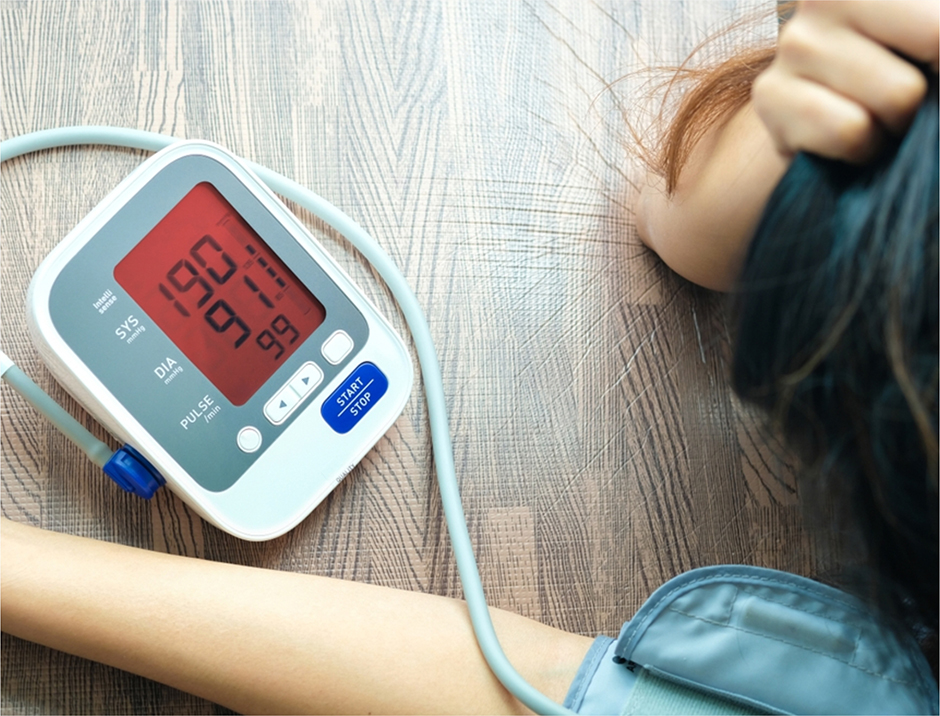
• Regular blood pressure monitoring
• Following prescribed medications strictly
• Adopting a low-sodium, kidney-friendly diet
• Staying physically active
• Managing related conditions like diabetes and high cholesterol
For people who need ongoing medical support, especially seniors or those with mobility issues, access to home health care services, home doctor consultations, and skilled nursing services at home can be essential. This support helps ensure regular monitoring and adherence to treatment plans.
Why Early Intervention Matters
Early diagnosis of high blood pressure and kidney changes can significantly slow disease progression. Simple lifestyle adjustments and timely medical care can preserve kidney function for years and improve overall quality of life. Routine health check-ups are essential—even for individuals who feel healthy.
With a patient-centered approach to chronic disease management, Kaigo supports individuals in taking proactive steps toward better blood pressure control and long-term kidney health, ensuring care that prioritizes comfort, continuity, and well-being right through to recovery and maintenance.