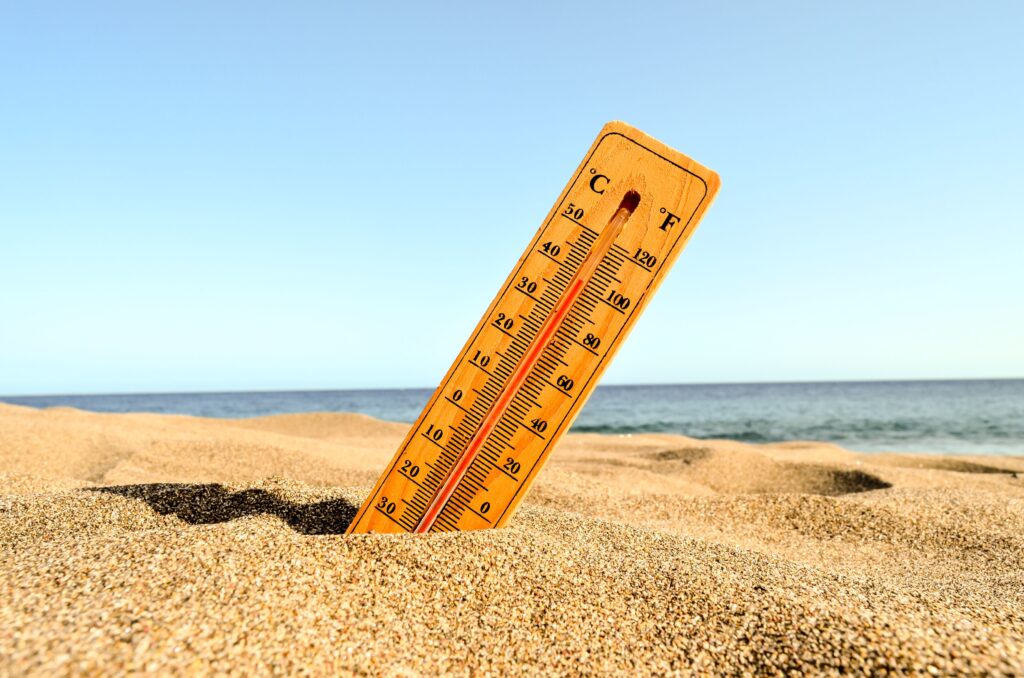
As summer temperatures continue to intensify, heat-related illnesses are becoming more frequent and severe. At Kaigo, we emphasize the importance of early awareness and timely care. With access to home health care, timely doctor consultation at home, and reliable skilled nursing service at home, individuals can effectively manage and prevent serious heat-related complications, especially those at higher risk. Let’s see the key difference between Heat Stroke vs Heat Exhaustion.
What Happens to Your Body in Extreme Heat?
The human body regulates its internal temperature through a process called thermoregulation, helping it stays stable even in changing environmental conditions.
- When exposed to high temperatures, the body cools itself through sweating and increased blood flow to the skin
- During prolonged heat exposure, especially with high humidity, this cooling mechanism can fail
- Dehydration and electrolyte imbalance disrupt normal organ function
- This can lead to fatigue, confusion, and in severe cases, organ failure
Heat Exhaustion: Early Warning Stage
Heat exhaustion is often the first stage of heat-related illness, and recognizing it early can prevent life-threatening complications.
Symptoms of Heat Exhaustion
- Excessive sweating
- Pale or clammy skin
- Fatigue and weakness
- Dizziness or light-headedness
- Headache
- Nausea or vomiting
- Muscle cramps, especially in legs and abdomen
- Rapid but weak pulse
Why It Happens
- Significant loss of fluids and electrolytes
- Continuous exposure to high temperatures
- Physical exertion without proper hydration
- Poor ventilation or overcrowded environments
Treatment and Immediate Care
- Move the person to a cool, shaded, or air-conditioned place
- Provide water or oral rehydration solutions slowly
- Loosen tight clothing
- Apply cool, wet clothes or use fans
- Allow complete rest
If symptoms persist for more than an hour or worsen, medical attention is required.
Heat Stroke: A Medical Emergency
Heat stroke is the most severe form of heat-related illness and requires immediate medical intervention.
Symptoms of Heat Stroke
- Body temperature above 40°C (104°F)
- Hot, flushed skin that may be dry or slightly sweaty
- Confusion, agitation, or slurred speech
- Severe headache
- Rapid and strong pulse
- Seizures
- Loss of consciousness
What Causes Heat Stroke
- Untreated heat exhaustion
- Prolonged exposure to extreme heat or direct sunlight
- High humidity that prevents effective sweating
- Intense physical activity in hot conditions
- Certain medications or chronic illnesses
Heat stroke can lead to multi-organ dysfunction, including brain injury, kidney failure, and heart complications if not treated immediately.
Emergency Treatment
- Call emergency medical services immediately
- Move the person to a cooler environment
- Remove excess clothing
- Cool the body using ice packs placed on the neck, armpits, and groin
- Use wet cloths, fans, or cool water if available
- Avoid giving fluids to an unconscious person, as it may lead to choking or aspiration
Heat Exhaustion vs Heat Stroke: Understanding the Key Differences
| Feature | Heat Exhaustion | Heat Stroke |
| Severity | Moderate | Severe and life-threatening |
| Body Temperature | Normal or slightly elevated | Very high above 40°C |
| Sweating | Heavy sweating | Reduced or absent sweating |
| Skin Condition | Cool and moist | Hot and dry or flushed |
| Mental State | Weakness and dizziness | Confusion, seizures, unconsciousness |
| Treatment | Hydration and rest | Immediate emergency care |
Who is Most at Risk
Certain groups are more vulnerable to heat-related illnesses:
- Elderly individuals
- Infants and young children
- People with chronic conditions such as diabetes, heart disease, and hypertension
- Outdoor workers including construction and delivery personnel
- Athletes
- Individuals taking medications that affect hydration or body temperature
Urban populations are also at higher risk due to heat retention in buildings and limited airflow.
Prevention: How to Stay Safe in Summer
Hydration
- Drink water regularly, even if you do not feel thirsty
- Include electrolyte-rich fluids when sweating heavily
Clothing
- Wear loose, light-coloured, breathable fabrics
- Avoid tight or synthetic clothing
Outdoor Exposure
- Avoid going outdoors during peak heat hours, especially between 11 AM and 4 PM
Indoor Environment
- Use fans, coolers, or air conditioning
- Keep indoor spaces well ventilated
Avoid Risk Factors
- Never leave children or elderly individuals in parked vehicles
- Avoid alcohol and caffeine during extreme heat
Health Monitoring
- Watch for symptoms like fatigue, dizziness, or unusual sweating
- Take early action if any warning signs appear
When to Seek Medical Help
Immediate medical attention is required if:
- Symptoms do not improve with rest and hydration
- There is confusion, disorientation, or fainting
- Body temperature remains high
- Seizures or unconsciousness occur
Early medical care can prevent complications and improve recovery outcomes.
Heat exhaustion and heat stroke are serious but preventable conditions. Understanding the symptoms, causes, and timely treatment can make a life-saving difference. With rising temperatures and changing climate patterns, proactive care is more important than ever. Kaigo remains committed to providing accessible and reliable healthcare support, ensuring individuals and families stay protected, informed, and healthy throughout the summer.