
Vaccination plays a crucial role in protecting individuals and communities from infectious diseases. At Kaigo Health Care, preventive healthcare and vaccination awareness are considered essential parts of maintaining long-term health. Vaccines help the body develop protection against harmful infections by training the immune system to recognize and fight specific viruses and bacteria. Understanding how vaccines work can help people appreciate their importance in disease prevention and overall health protection.
Introduction to Vaccines and Immunity
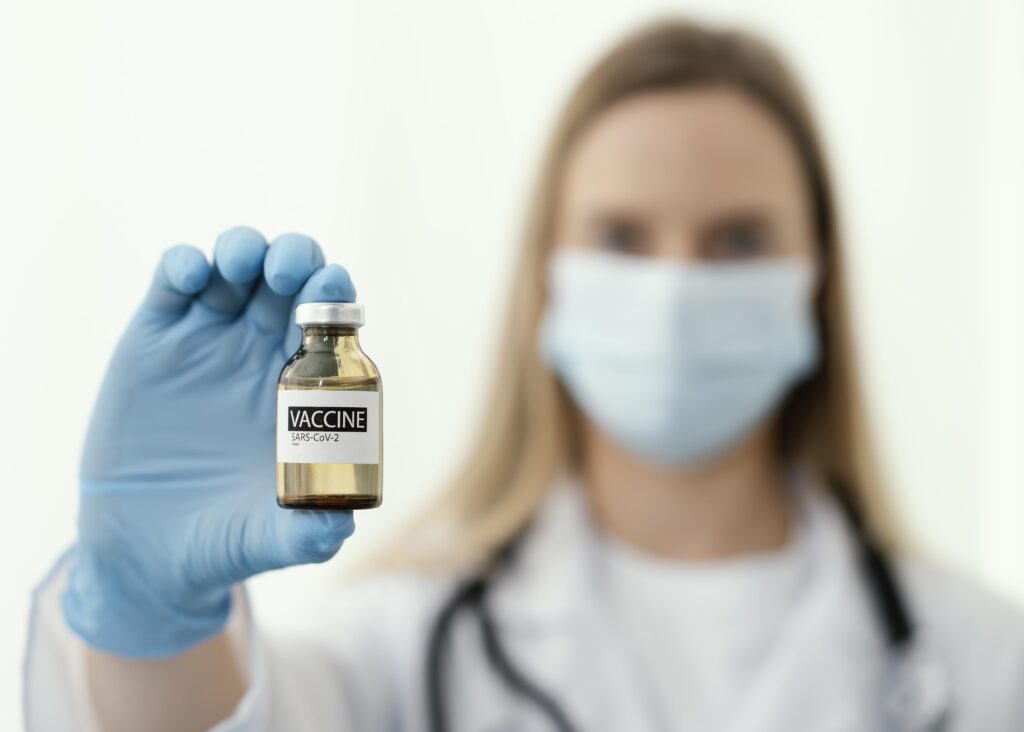
Vaccines are medical products that help protect the body from infectious diseases. Vaccines have weakened or inactive parts of a virus or bacteria, or just specific proteins from the germ. These parts of the germ are unable to cause the disease but are able to trigger the immune system to react. When a person receives a vaccine, their body thinks that it has come into contact with the actual disease. The immune system begins to develop protection that will help it fight off the germ if it comes into contact with it again in the future. This is known as immunization.
Vaccination has helped control or eliminate many dangerous diseases around the world. Through widespread immunization programs, illnesses that once caused major health crises can now be prevented effectively.
How the Immune System Works
The immune system is the body’s natural defence against infections. It consists of cells, tissues, and organs that work together to protect the body from harmful microorganisms like bacteria, viruses, and parasites.
When a pathogen invades the body, the immune system recognizes it immediately as a danger. The specialized white blood cells start attacking and killing the invading organisms. While doing so, the immune system also produces antibodies, which are proteins that target specific pathogens.
A crucial function of the immune system is its ability to remember. After an infection, the immune system retains a memory of the pathogen. As a result, if the same pathogen enters the body again, the immune system can respond much faster, which helps prevent illness.
However, in some cases, natural infection can cause severe disease before the immune system develops protection. This is where vaccines play a vital role.
How Vaccines Train the Immune System
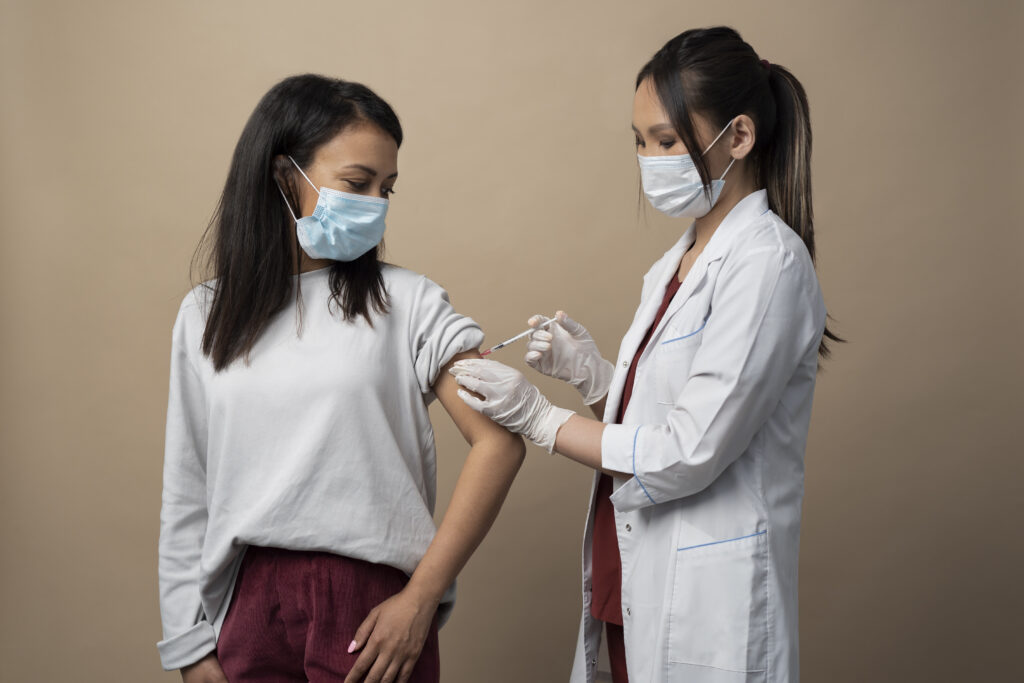
Vaccines work by safely teaching the immune system how to recognize and fight harmful pathogens without causing the actual disease. They often induce a harmless version of a pathogen into the body.
Once the vaccine is administered, the immune system treats it as a foreign invader and begins to produce antibodies. These antibodies remain in the body even after the vaccine components are removed.
More importantly, vaccines induce immune memory. There are special memory cells that remain in the body and remember the pathogen. When the actual virus or bacteria gets into the body, the immune system can easily recognize it and fight it effectively.
Because of this rapid response, vaccinated individuals are far less likely to develop serious illness. In many cases, the infection is completely prevented.
Benefits of Vaccination for Individuals and Communities
Vaccination provides numerous benefits for both individuals and society. One of the most important vaccination benefits is strong protection against dangerous diseases. Vaccines reduce the risk of severe illness, complications, hospitalization, and death.
Another major advantage is disease prevention. By building immunity in advance, vaccines prevent infections before they occur. This helps people stay healthy and reduces the spread of diseases.
Vaccination also protects communities through a concept called herd immunity. When a large portion of the population is vaccinated, the spread of infectious diseases slows down significantly. This protects people who cannot receive vaccines, such as newborn babies, elderly individuals, or those with certain medical conditions.
As more people become immunized, the chances of outbreaks decrease. This collective health protection helps maintain safer communities and stronger public health systems.
Common Myths About Vaccines
Despite strong scientific evidence supporting vaccination, several myths and misconceptions still exist. Understanding the facts is important for making informed health decisions.
There is a common myth that vaccines may cause the diseases that are meant to prevent. In reality, vaccines contain weakened or inactive components that cannot cause the illness.
Another misconception is that natural infection is better than vaccination. While natural infection can provide immunity, it often comes with serious health risks. Vaccines provide similar protection without exposing individuals to the dangers of the actual disease.
Some people have worries regarding vaccine safety. Vaccines normally go through testing, and monitoring is done before they get approved for public use. Continuous monitoring and review by health authorities ensures vaccine safety. Proper education and awareness should be given in order to overcome all these misconceptions, and we should promote responsible healthcare choices.
Importance of Staying Up to Date with Vaccinations
Vaccination is not just a one-time event. Some vaccines require booster doses to maintain long-term immunity. Staying up to date with recommended vaccinations ensures continuous protection against infections.
Children, adults, and older individuals all benefit from immunization at different stages of life. Regular vaccination schedules are designed to provide the best protection at the right time.
For specific medical conditions, healthcare providers recommend a few vaccines for travellers and healthcare workers. Following these guidelines helps strengthen both personal and community health protection.
Maintaining updated vaccinations also plays a key role in preventing the re-emergence of diseases that were once under control.
Vaccines are among the most effective tools in modern medicine for boosting the immune system and preventing infectious diseases. They train the body to recognize harmful pathogens and develop immune memory, offering strong and lasting protection. Vaccines not only protect individuals but also shield communities through herd immunity and widespread immunization.
At Kaigo Health Care, promoting vaccination awareness and preventive healthcare remains a priority in supporting healthier lives and stronger communities. Staying informed about vaccines and keeping vaccinations up to date can help individuals take an active role in protecting their health and contributing to a safer future for everyone.