Heart health is important for overall well-being, but many people miss early signs that indicate potential issues. At Kaigo Health Care, we frequently encounter individuals with irregular heartbeats or palpitations who do not fully grasp their meaning. Identifying these signs early, especially with support from home healthcare services, can greatly help in preventing complications and preserving long-term heart health.
Understanding Irregular Heartbeats and Palpitations
Irregular heartbeats, called arrhythmias, occur when the heart’s electrical signals function poorly. This can cause the heart to beat too fast, too slow, or in an uneven pattern. Palpitations are the noticeable sensations that come from these irregular beats. People often describe them as fluttering, pounding, racing, or skipped beats.
While occasional palpitations may be harmless, frequent or ongoing episodes could signal a deeper heart problem that needs medical attention.
Early Warning Signs You Should Not Ignore
Irregular heartbeats don’t always come dramatically. In many cases, the symptoms are subtle, and it is easy to dismiss them. Some of the common warning signs include:
- A fluttering or racing sensation in the chest
- Irregular or uneven pulse
- Shortness of breath during rest or mild activity
- Dizziness, Light-headedness, or fainting
- Fatigue without an obvious cause
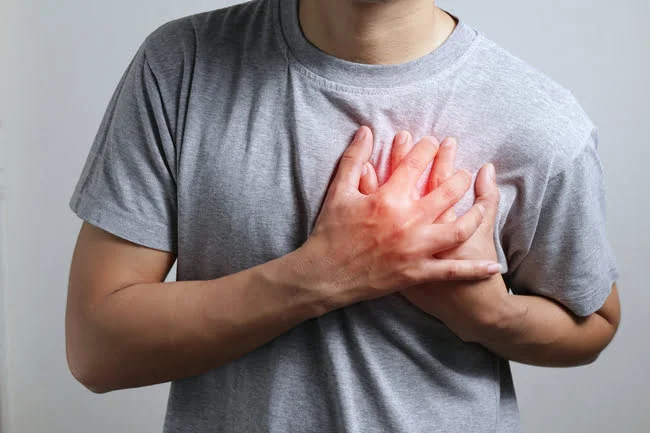
- Chest discomfort or pressure
If chest pressure or discomfort occurs frequently, then it is better to consult a qualified healthcare provider for timely diagnosis and management.
Lifestyle Triggers That Can Affect Heart Rhythm
Daily habits and lifestyle choices have a strong influence on heart rhythm. Several commonly overlooked factors can trigger or worsen palpitations:
Caffeine and Stimulants
Too much consumption of coffee, energy drinks, or nicotine overstimulates the heartbeat.
Alcohol Intake
Heavy or frequent alcohol use has been connected to more episodes of irregular heartbeats, particularly in older adults.
Stress and Anxiety
Emotional stress triggers hormones that can disrupt the heart’s electrical system. This can cause palpitations or a fast heartbeat.
Poor Sleep Patterns
Lack of quality sleep or irregular sleep schedules can put a strain on the cardiovascular system and cause rhythm disturbances.
Dehydration and Electrolyte Imbalance
Low fluid intake or imbalances in minerals such as potassium and magnesium can directly affect heart rhythm.
Sedentary Lifestyle
Minimal physical activity can weaken cardiovascular health. Regular moderate exercise helps stabilize heart function.
Identifying personal triggers and making small lifestyle changes can greatly reduce the frequency of palpitations.
Why Early Monitoring Matters
Ignoring early signs of irregular heartbeats can lead to complications like stroke, heart failure, or worse arrhythmias. Regular monitoring, tracking symptoms, and consulting a doctor on time allow for early intervention. This often prevents the need for more aggressive treatments later.
For individuals who prefer comfort and continuity of care, healthcare at home services enable ongoing monitoring, medication support, and professional guidance without frequent hospital visits.
Supporting Heart Health Through Professional Care
Managing irregular heartbeats needs both medical supervision and lifestyle management. Skilled healthcare providers can assess symptoms, recommend tests, guide treatment plans, and offer education suited to individual needs.
Home-based care services also help support elderly individuals, patients recovering from hospital stays, and those with chronic heart conditions by ensuring consistent care in a familiar environment.
A Thoughtful Approach to Heart Wellness
At Kaigo Health Care, we believe that early awareness, professional support, and compassionate care are key to maintaining a healthy heart. By recognizing warning signs, understanding lifestyle triggers, and accessing trusted care solutions, individuals can take confident steps toward better heart health, right from the comfort of their home.