

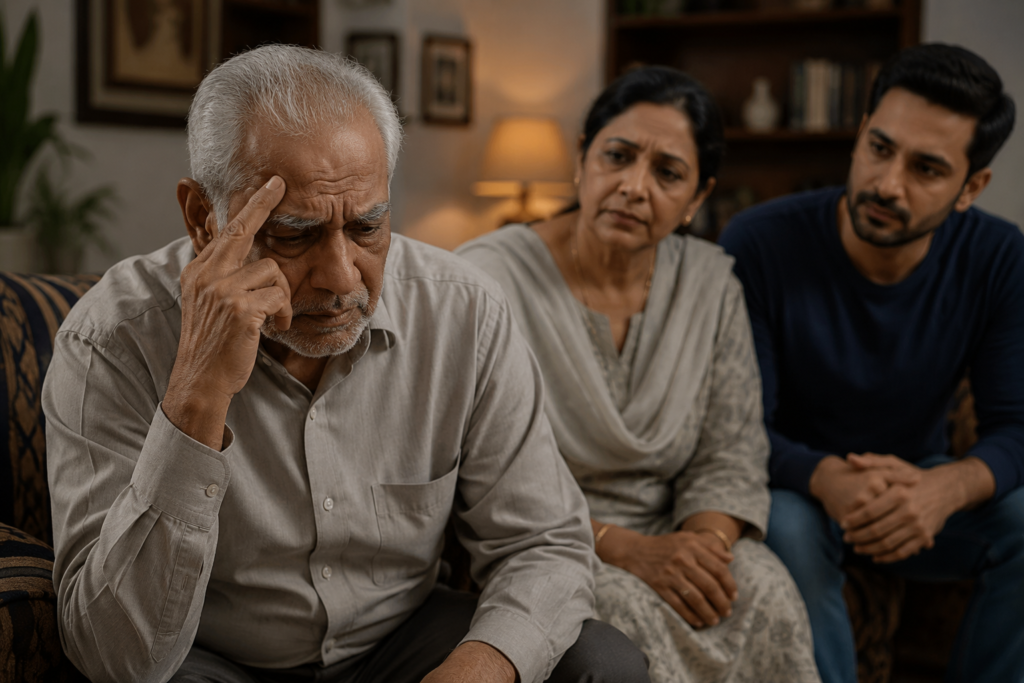
As our parents and grandparents grow older, we often focus on their physical health, checking blood pressure, managing medications, and scheduling checkups. But emotional health quietly slips through the cracks. Depression in elderly people is far more common than most families realize, and it’s often mistaken for “just getting older.” At Kaigo Home Health Care, we’ve seen how early recognition and the right support at home can make a profound difference in elderly loved one’s quality of life. This blog walks you through the signs families should never brush aside, and what you can do about them.
Why Elderly Depression Often Goes Unnoticed
Unlike younger people, elderly individuals rarely say “I’m depressed.” Instead, they talk about aches, tiredness, or a general lack of interest in things they once loved. Many people assume this is just a natural part of growing older. It isn’t. Depression is a real, treatable condition, not an inevitable side effect of growing old. The tricky part is that its symptoms often masquerade as physical complaints or get chalked up to “slowing down.”
That’s exactly why families need to know what to look for.
1. Withdrawal From Social Activities
If a parent who once loved family gatherings, religious services, or weekly calls with friends suddenly starts avoiding them, take note. Social withdrawal is one of the earliest and most telling signs of depression. It’s easy to dismiss as tiredness, but a consistent pattern of pulling away from people they love is worth noticing.
2. Changes in Appetite or Sleep
Depression frequently shows up in the body before it shows up in words. Watch for:
- Noticeable drop in appetite or interest in eating, along with sleeping far more or far less than usual
- Complaints of constant fatigue, even after a full night’s rest
These changes can also point to other health issues, which is why a doctor consultation at home can be so useful. It allows a professional to rule out medical causes while also screening for emotional well-being, all without the stress of a clinic visit.
3. Unexplained Physical Aches and Pains
Older adults with depression often report headaches, joint pain, or digestive issues that don’t have a clear medical explanation. This is sometimes called “masked depression,” where emotional pain expresses itself physically. If test results keep coming back normal but the complaints persist, it may be time to look beyond the physical.
4. Loss of Interest in Hobbies
A grandmother who no longer touches her garden. A grandfather who stops watching his favorite cricket matches. When activities that once brought joy no longer hold any appeal, it’s more than boredom. It can be a hallmark symptom of depression called anhedonia, the inability to feel pleasure.
5. Memory Complaints and Confusion
Depression and cognitive decline can look strikingly similar, which is why families sometimes confuse the two. Trouble concentrating, forgetfulness, or a general mental fog can all be linked to depression rather than dementia. Getting a proper evaluation matters here, since the treatment paths are very different.
6. Increased Irritability or Anger
We often picture depression as sadness, but in elderly men especially, it can present as irritability, restlessness, or short temper. If a normally calm parent becomes easily frustrated or snaps over small things, it’s worth gently exploring what’s going on beneath the surface.
7. Neglecting Personal Hygiene or Daily Routines
When self-care starts slipping (skipped baths, unwashed clothes, an untidy home that used to be spotless), it often signals that daily life has become overwhelming. This is one of the clearer signs that additional support is needed, whether emotional, medical, or practical.
8. Expressions of Hopelessness or Worthlessness
Comments like “I’m just a burden” or “What’s the point anymore” should never be brushed off as venting. These statements deserve a caring, direct conversation and, where needed, professional intervention. If self-harm ever comes up in conversation, reach out to a mental health professional or emergency services right away.
How Families Can Help
Recognizing these signs is the first step. What comes next matters just as much:
- Start a gentle conversation. Avoid diagnosing them yourself; simply express concern and listen.
- Involve a doctor early. A geriatric physician or mental health professional can properly assess what’s happening.
- Consider support at home. Many seniors feel more comfortable opening up in familiar surroundings rather than a hospital setting. This is where home health care becomes so valuable, offering both medical oversight and companionship in a space where they feel safe.
- Don’t go it alone. If a loved one needs ongoing help with daily activities alongside emotional support, professional home nursing services can ease the burden on family caregivers while ensuring consistent, compassionate care.
FAQ
Is depression a normal part of aging?
No. While life changes like loss of independence, bereavement, or chronic illness can increase the risk, depression itself is not a normal part of getting older. It’s a medical condition that responds well to treatment and support.
When should I consult a doctor about my elderly parent’s mood changes?
If low mood, withdrawal, or behavioral changes last more than two weeks, or interfere with daily life, it’s time to speak with a healthcare provider. Early evaluation leads to better outcomes.
Can depression in the elderly be treated without medication?
Yes, in many cases. Counseling, social engagement, physical activity, and structured daily routines can significantly improve symptoms. A doctor can help determine the right combination of approaches for each individual.
How can home care support emotional wellbeing, not just physical health?
Trained caregivers do more than assist with medication and mobility. They provide companionship, encourage engagement, and often notice emotional shifts that families might miss amid busy schedules.
What should I do if my parent talks about feeling like a burden?
Take it seriously. Respond with empathy, avoid dismissing the comment, and reach out to a healthcare professional promptly. If there’s any indication of self-harm, seek emergency support right away.
This blog is meant for general awareness and should not replace guidance from a qualified healthcare professional. Please consult a qualified healthcare provider for diagnosis and treatment.
Depression in elderly loved ones can be easy to miss, but it’s never something to ignore. Small changes in mood, energy, or routine often carry more weight than they seem. If you’re noticing any of these signs in a parent or grandparent, Kaigo Home Health Care is here to help, offering compassionate, professional care that supports both the physical and emotional well-being of seniors, right in the comfort of their own home.