
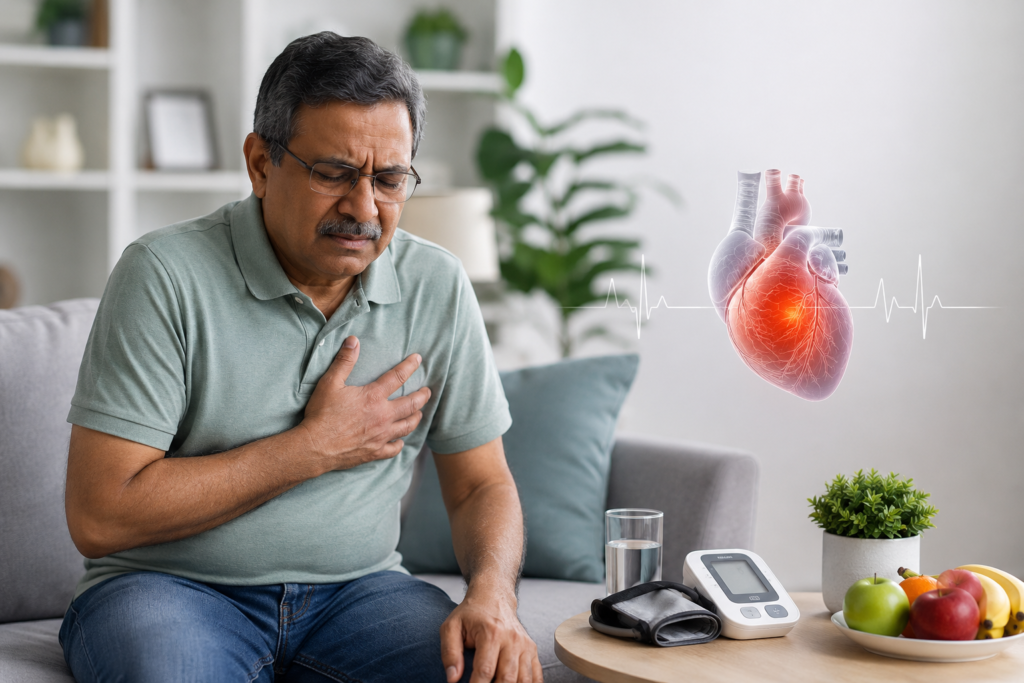
Most people imagine a heart attack as a sudden, dramatic event, crushing chest pain, gasping for breath, someone collapsing without warning. But a significant number of heart attacks don’t look like this at all. They happen quietly, with symptoms so mild they’re easily dismissed as fatigue, indigestion, or a bad night’s sleep. This is known as a silent heart attack, and because it slips by unnoticed, it can be just as serious as a typical one. Understanding silent heart attack symptoms and risk factors is one of the simplest ways to protect your heart health and organizations like Kaigo Healthcare are increasingly focused on helping families recognize these subtle signs early through attentive, in-home care and monitoring.
What Is a Silent Heart Attack?
A silent heart attack, medically known as a Silent Myocardial Infarction (SMI), occurs when blood flow to part of the heart muscle is reduced or blocked, causing damage but without the intense, unmistakable symptoms most people associate with a heart attack.
The heart muscle still experiences injury during a silent heart attack. The difference lies in how the body signals that something is wrong. Instead of severe chest pain, a person might feel mild discomfort, unusual tiredness, or nothing memorable at all. Many people only discover they’ve had one during a routine checkup, an ECG, or an unrelated medical scan.
Research suggests that silent heart attacks are more common than many people realize, and they can happen to individuals who otherwise consider themselves healthy.
Why Silent Heart Attacks Are Difficult to Recognize
Silent heart attacks are hard to identify for a few key reasons:
- Mild or vague symptoms that resemble everyday discomfort rather than a medical emergency
- Absence of classic chest pain, which is often the symptom people are trained to watch for
Symptoms that come and go, making them easy to brush off - Overlap with common conditions like acid reflux, muscle strain, or simple exhaustion
- A tendency to downplay symptoms, especially among people who are busy, active, or used to pushing through discomfort
Because the warning signs don’t match the dramatic version of a heart attack we see in movies or hear about anecdotally, many people don’t connect the dots until later.
How a Silent Heart Attack Differs from a Typical Heart Attack
A typical heart attack usually announces itself clearly:
- Intense chest pain or pressure
- Pain that spreads to the arm, jaw, or back
- Sudden shortness of breath
- Cold sweats and visible distress
A silent heart attack, on the other hand, tends to be subtle:
- Mild discomfort that fades quickly
- General fatigue instead of obvious pain
- Symptoms mistaken for minor illness
- No dramatic collapse or emergency-level distress
The underlying damage to the heart, however, can be just as significant. This is why silent heart attack symptoms deserve just as much attention as the more obvious kind.
Subtle Warning Signs and Symptoms
Because silent heart attack symptoms are easy to miss, it helps to know exactly what to look out for.
Common Silent Heart Attack Symptoms
- Mild chest discomfort that feels like pressure, tightness, or fullness rather than sharp pain
- Unusual fatigue, even after adequate rest
- Shortness of breath during routine activities
- Discomfort in the jaw, neck, back, or arms that comes and goes
- Mild nausea or indigestion-like sensations
- Cold sweats without an obvious cause
- Light-headedness or a vague sense of unease
Symptoms That Are Often Overlooked
- Feeling “off” or unusually tired for a day or two
- Trouble sleeping due to mild chest tightness
- Slight breathlessness while climbing stairs or walking briskly
- General weakness that seems unrelated to activity
Because these signs are so ordinary, people often attribute them to stress, poor sleep, or aging rather than a possible heart attack symptom. Paying attention to patterns especially symptoms that recur or worsen with exertion is key.
Common Risk Factors for Silent Heart Attacks
Several silent heart attack risk factors overlap with those for typical heart attacks. Recognizing them can help you or a loved one take preventive steps early.
Medical Risk Factors
- High blood pressure
- High cholesterol
- Diabetes or insulin resistance
- Obesity or excess body weight
- Family history of heart disease
Lifestyle Risk Factors
- Smoking or regular tobacco use
- Sedentary lifestyle with little physical activity
- Poor dietary habits, especially high intake of processed or fried foods
- Chronic stress
- Excessive alcohol consumption
Age and Gender Considerations
- Risk increases with age, particularly after 45 for men and 55 for women
- Postmenopausal women face a notable rise in risk
- Men are statistically more likely to experience silent heart attacks, though women are also significantly affected and often underdiagnosed
Who May Be More Vulnerable?
While anyone can experience a silent heart attack, certain groups are more susceptible:
- People with diabetes, since nerve damage from diabetes can dull pain signals
- Older adults, who may naturally have altered pain perception
- Individuals with a sedentary lifestyle and underlying cardiovascular risk factors
- Those with a family history of heart disease or early cardiac events
- People under chronic stress, whose bodies may mask or normalize physical discomfort
Family members and caregivers play an important role here, especially for elderly individuals who may not report symptoms clearly or may assume mild discomfort isn’t worth mentioning.
Why Early Medical Attention Matters
Even though silent heart attacks don’t come with alarming symptoms, the heart damage they cause is real. Delayed diagnosis can lead to:
- Weakening of the heart muscle over time
- Increased risk of a second, more severe heart attack
- Higher chances of developing heart failure or arrhythmias
- Missed opportunities for early lifestyle or medical intervention
The encouraging part is that once identified, silent heart attacks can be managed effectively with the right combination of medical care, lifestyle changes, and regular monitoring. Early detection often makes a meaningful difference in long-term heart health outcomes.
Heart Attack Prevention: Practical Tips for a Healthier Heart
Prevention remains the most powerful tool against both silent and typical heart attacks. Small, consistent habits can significantly lower risk over time.
1. Maintain a Heart-Healthy Diet
- Choose whole grains, fresh vegetables, and fruits over processed foods
- Limit saturated fats, fried items, and excess salt
- Include heart-friendly fats like nuts, seeds, and olive oil
- Stay mindful of portion sizes rather than following extreme diets
2. Stay Physically Active
- Aim for at least 30 minutes of moderate activity most days of the week
- Simple options like brisk walking, swimming, or cycling are highly effective
- Consistency matters more than intensity
3. Manage Blood Pressure and Cholesterol
- Monitor blood pressure regularly, especially if you have a family history of hypertension
- Keep cholesterol levels in check through diet, exercise, and medical guidance
- Follow prescribed medications consistently if recommended by a doctor
4. Control Blood Sugar Levels
- Regular screening helps catch prediabetes or diabetes early
- Balanced meals and physical activity support stable blood sugar
- Those with diabetes should monitor levels closely, since silent heart attacks are more common in this group
5. Avoid Smoking and Limit Alcohol
- Quitting smoking significantly reduces cardiovascular risk over time
- Limiting alcohol intake supports overall heart and liver health
6. Manage Stress Effectively
- Practice relaxation techniques like deep breathing, meditation, or gentle yoga
- Prioritize adequate sleep
- Make time for hobbies and social connection, which support emotional well-being
7. Attend Regular Health Checkups
- Routine screenings can catch early warning signs before symptoms appear
- ECGs, blood pressure checks, and cholesterol panels are simple but valuable tools
- Don’t skip checkups simply because you feel fine. Silent heart attacks, by definition, often occur without obvious symptoms
When to Seek Emergency Medical Care
While silent heart attack symptoms are subtle, some warning signs should never be ignored. Seek emergency medical attention if you or someone nearby experiences:
- Chest discomfort lasting more than a few minutes or that keeps returning
- Shortness of breath, with or without chest discomfort
- Pain that spreads to the arm, jaw, neck, or back
- Sudden cold sweats, nausea, or light-headedness
- A general sense that something is seriously wrong, especially in someone with known risk factors
It’s always better to have symptoms checked and find out they’re minor than to dismiss something that turns out to be significant. Trusting your instincts or a family member’s concern can make a real difference.
A silent heart attack may not come with dramatic symptoms, but its impact on heart health is just as real as a typical one. Learning to recognize subtle warning signs, understanding your personal risk factors, and committing to simple, heart-healthy habits can go a long way in protecting yourself and your loved ones. Regular checkups, a balanced lifestyle, and timely medical attention remain the best defense against both silent and typical heart attacks. For families who want extra peace of mind, especially when caring for older or at-risk loved ones, Kaigo Healthcare offers compassionate, professional home healthcare support that helps monitor health changes, encourage healthy routines, and ensure that subtle warning signs don’t go unnoticed.
Frequently Asked Questions (FAQs)
1. Can a silent heart attack go away on its own?
The immediate event may pass without obvious symptoms, but the heart damage caused by it does not simply resolve on its own. Medical evaluation is important even if symptoms fade quickly.
2. How is a silent heart attack diagnosed?
It’s often detected through an ECG, echocardiogram, or blood tests during a routine checkup or when investigating unrelated symptoms.
3. Are silent heart attacks more dangerous than typical ones?
They aren’t necessarily more dangerous, but the risk lies in delayed diagnosis. Because symptoms are subtle, treatment may be delayed, which can affect long-term heart health.
4. Can young, healthy-looking people have a silent heart attack? Yes. While risk increases with age and certain conditions, lifestyle factors and undiagnosed issues like high blood pressure or cholesterol can affect younger individuals too.
5. What’s the best way to prevent a silent heart attack?
A combination of a heart-healthy diet, regular exercise, stress management, avoiding smoking, and routine health screenings offers the strongest protection.
6. Should I be worried if I sometimes feel unusually tired or breathless?
Occasional tiredness is normal, but if it’s persistent, unexplained, or paired with other mild symptoms, it’s worth discussing with a doctor especially if you have known risk factors.