Maintaining good health is essential, especially during seasons when infectious diseases become more common. At Kaigo Home Health Care, we believe that awareness and timely medical attention play a crucial role in preventing serious health complications. Shigella infection is one such contagious illness that can affect people of all ages and spread rapidly if proper hygiene measures are not followed.
What Is Shigella Infection?
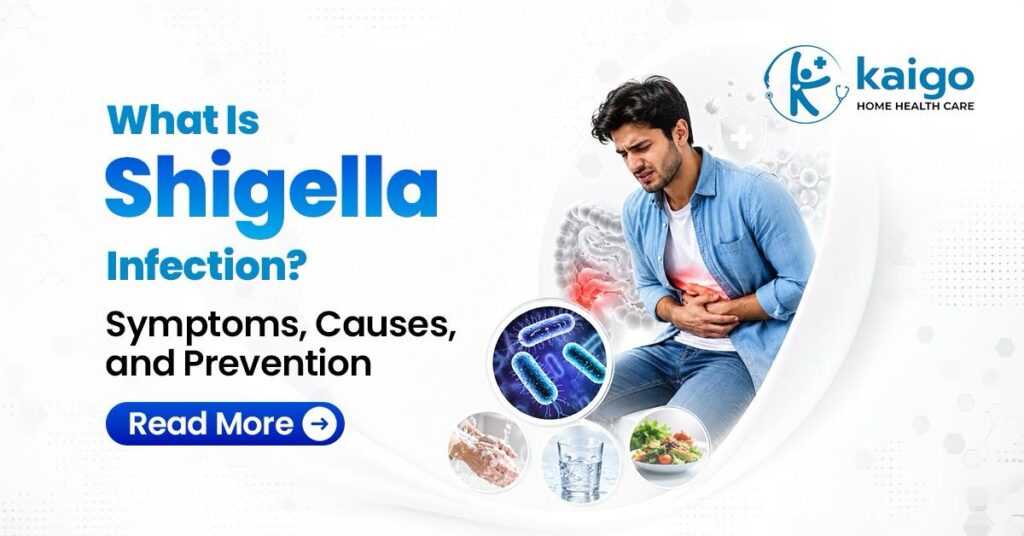
Shigellosis is an intestinal infection caused by Shigella bacteria that can lead to diarrhea, stomach cramps, and fever. The infection primarily affects the digestive system and can lead to diarrhea, stomach cramps, and fever. Shigella is highly contagious and can spread easily through contaminated food or water, or through direct contact with an infected person.
Although anyone can become infected, young children, older adults, and individuals with weakened immune systems are at a higher risk of developing severe symptoms.
Symptoms of Shigella Infection
Symptoms usually appear one to three days after exposure to the bacteria and may include:
- Diarrhea, sometimes containing blood or mucus
- Stomach pain and abdominal cramps
- Fever
- Nausea and vomiting
- Urgent need to pass stools
- Fatigue and weakness
- Dehydration due to frequent diarrhea
While mild cases may resolve on their own, severe infections can lead to serious complications if left untreated.
Causes and Transmission
Shigella bacteria spread through the fecal-oral route. Common causes of infection include:
Contaminated Food and Water
Consuming food or water contaminated with Shigella bacteria is one of the most common causes of infection.
Poor Hand Hygiene
Not washing hands properly after using the restroom or before preparing food can increase the risk of spreading the bacteria.
Person-to-Person Contact
Close contact with an infected individual can easily transmit the infection, especially in schools, daycare centers, and nursing facilities.
Poor Sanitation
Areas with inadequate sanitation and improper waste disposal are more vulnerable to outbreaks.
Who Is Most at Risk?
Some groups are more vulnerable to experiencing serious complications from the infection:
- Children under five years of age
- Older adults
- Individuals with weakened immune systems
- Residents of crowded living environments
- Travelers visiting regions with poor sanitation
When Should You Seek Medical Attention?
It is important to consult a healthcare professional immediately if you notice any of the following warning signs:
- Bloody diarrhea
- High fever
- Severe dehydration
- Persistent vomiting
- Symptoms lasting more than a few days
- Extreme weakness or confusion
For elderly individuals and patients recovering at home, timely doctor consultations can help assess symptoms early and reduce the risk of complications.
Prevention Tips
Preventing Shigella infection is largely based on maintaining good hygiene and food safety practices.
Wash Hands Frequently
Maintain proper hand hygiene by washing your hands with soap and water after using the toilet, changing diapers, and before touching food.
Drink Safe Water
Use safe drinking water that has been filtered or boiled for both consumption and food preparation.
Practice Food Safety
Wash fruits and vegetables properly, cook food thoroughly, and avoid consuming food from unhygienic sources.
Maintain Proper Sanitation
Ensure that toilets, kitchens, and living spaces are cleaned regularly.
Avoid Close Contact During Infection
Proper sanitation of toilets, kitchens, and living spaces is essential for reducing the risk of bacterial infections.
Home Care During Recovery
Most patients recover within a week with proper rest and hydration. Drinking plenty of fluids, consuming easily digestible foods, and following medical advice can speed up recovery. In cases where patients require additional support, skilled nursing services can help monitor hydration levels, manage medications, and provide professional care in the comfort of home.
Shigella is a contagious bacterial infection that can cause diarrhea, stomach pain, and other health issues if left untreated. Understanding its symptoms, causes, and prevention methods can help protect you and your family from infection. At Kaigo Home Health Care, we are committed to supporting patients with quality home healthcare services, timely medical assistance, and professional care to ensure a safe and comfortable recovery.