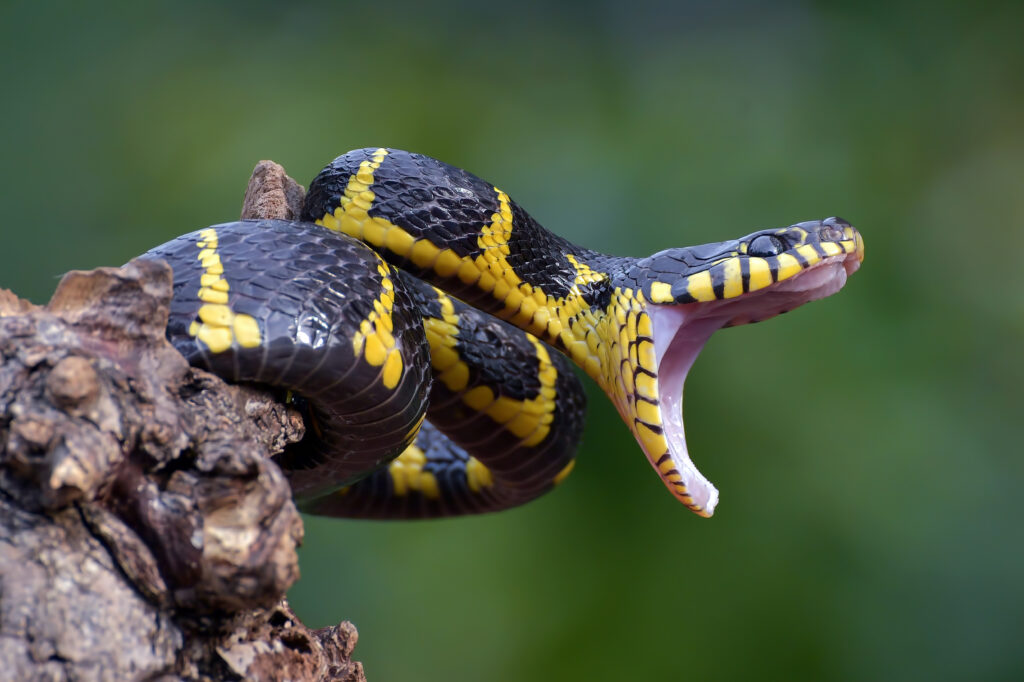
Snake bites are medical emergencies that require immediate and correct action. While not all snake bites are venomous, it is impossible to determine the severity without proper medical evaluation. Acting quickly and avoiding common mistakes can significantly improve survival and recovery outcomes.
This guide will help you understand exactly what to do immediately after a snake bite, along with essential precautions and treatment insights.
Why Quick Action Is Critical
When a venomous snake bites, the venom can affect the body in different ways depending on the species:
- It may attack the nervous system, causing paralysis.
- It can disrupt blood clotting, leading to internal bleeding.
- It may damage muscles and vital organs.
The speed at which symptoms develop varies, but delayed treatment increases risk. That’s why the first response plays a crucial role.
Quick Precautions to Take After a Snake Bite
1. Stay Calm and Reassure the Person
Fear and panic can increase heart rate, allowing venom to spread faster.
Keep the person calm and limit unnecessary movement.
2. Immobilize the Affected Area
- Keep the bitten limb still and supported
- Position it at or slightly below heart level.
- Use a splint or cloth if available.
This helps slow down venom circulation.
3. Remove Tight Items
Swelling can occur quickly. Remove:
- Rings
- Bangles
- Tight clothing
This prevents complications as the area begins to swell.
4. Get Medical Help Immediately
Transport the person to the nearest hospital as soon as possible.
Anti-Snake Venom (ASV) is the only effective treatment for venomous bites.
Do not wait for symptoms to appear.
5. Note Key Details (If Safe)
Without risking safety, try to observe:
- Snake color or pattern
- Size or shape
This can help doctors decide the right treatment but never attempt to catch the snake.
What NOT to Do
Many traditional or incorrect methods can worsen the situation:
- Do not tie a tight tourniquet
- Do not cut or suck the wound
- Do not apply ice, chemicals, or herbal remedies
- Do not give alcohol or stimulants
- Do not attempt self-treatment
These actions can delay proper care and increase complications.
Symptoms to Watch For
Even if the bite seems mild, monitor for:
- Pain and swelling around the bite
- Nausea or vomiting
- Difficulty breathing
- Blurred vision or drooping eyelids
- Unusual bleeding or bruising
If any of these appear, it indicates urgent medical attention is needed.
Medical Treatment and Recovery
In hospitals, treatment typically involves:
- Administration of Anti-Snake Venom (ASV)
- Monitoring vital signs and symptoms
- Supportive care, such as fluids and medication
With timely treatment, most snakebite victims can recover fully.
Awareness Saves Lives
Education and preparedness are the most powerful tools in preventing fatalities.
At Kaigo Home Health Care, we focus on spreading awareness about emergency response and first aid, helping individuals and families stay prepared. Timely knowledge ensures that people act correctly instead of relying on myths or panic-driven decisions.
A snake bite can be frightening but the right response can make all the difference.
Stay calm. Avoid mistakes. Seek medical help immediately.
Being informed today can help you save a life tomorrow.